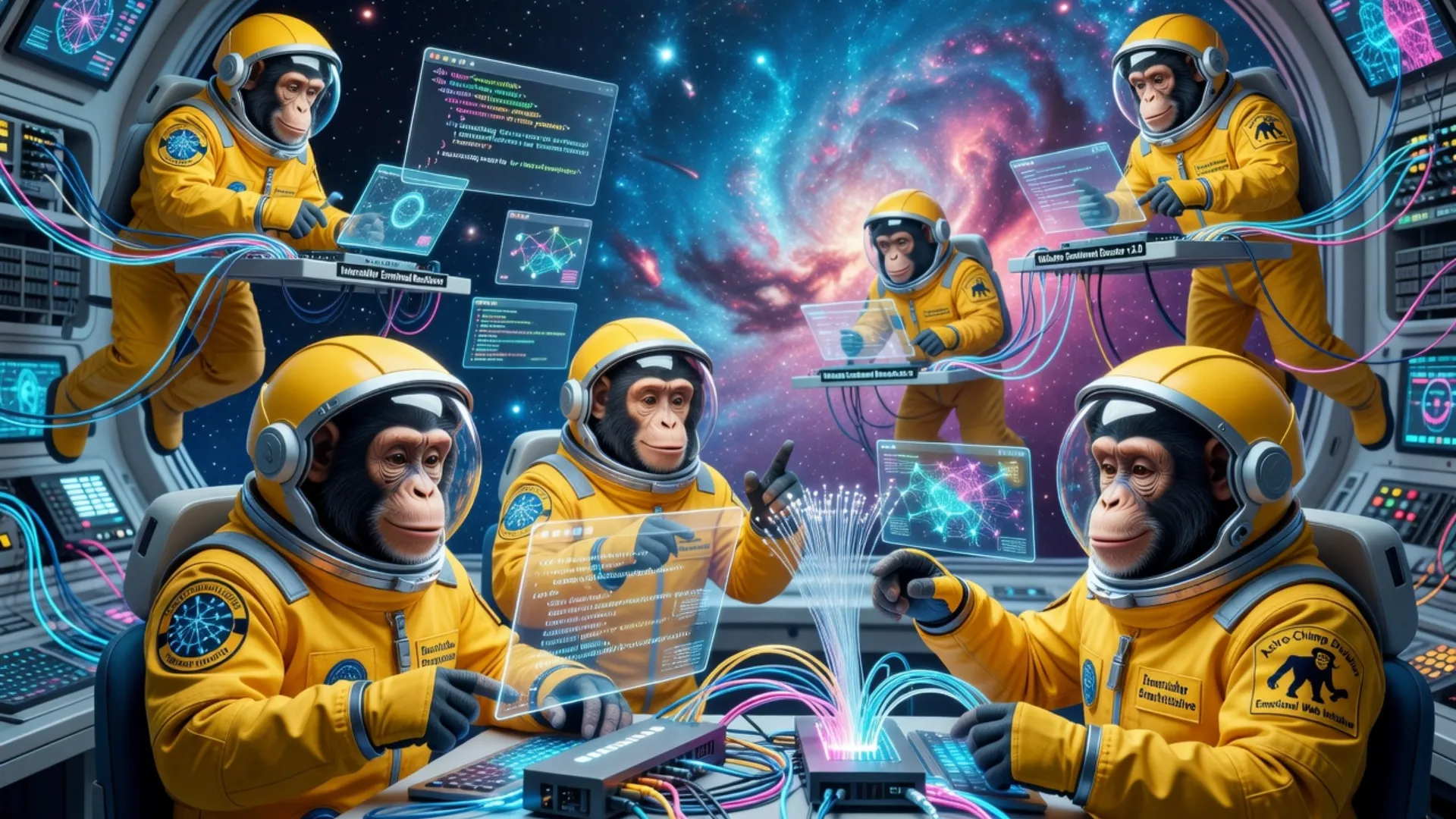
The internet has never looked better, yet somehow, so many websites feel completely forgettable.
Modern websites are cleaner, faster, and more polished than ever before. Businesses invest heavily in sleek layouts, trendy animations, and perfectly aligned sections, yet many websites still struggle to create genuine engagement. Visitors arrive, scroll briefly, and leave without feeling anything at all.
That is the problem.
In today’s digital landscape, functionality alone is no longer enough. A technically perfect website that lacks emotional connection often performs worse than a simpler website that makes users feel understood, inspired, or curious.
This is where emotional web design becomes incredibly important.
At its core, emotional web design is about creating online experiences that feel human. It blends psychology, branding, storytelling, and user experience to create websites that connect with people on a deeper level.
At Midnight Monkey, we believe great websites should do more than exist online; they should create memorable experiences that build trust, spark emotion, and encourage action.
So why do so many modern websites feel emotionless?
Let’s explore the problem.
The Rise Of “Template Culture” & Zero Emotional Web Design
One of the biggest reasons websites feel emotionally flat today is that so many of them look the same.
Minimalism became the standard for modern web design over the last decade. While simplicity can improve usability, it has also created a wave of repetitive digital experiences.
You have probably seen it before:
- oversized sans-serif fonts
- muted colour palettes
- stock photography
- generic headlines
- identical layouts
- vague messaging
- lifeless branding
Many websites now feel more like templates than brands.
This is partly due to the rise of drag-and-drop builders and AI-generated content. Businesses can launch websites faster than ever before, but speed often comes at the cost of originality and emotional depth.
According to research from the Nielsen Norman Group, users form first impressions of websites within milliseconds. If your website feels generic from the start, users are unlikely to remember your brand later.
This is why emotional web design matters so much. Emotion is often the difference between a website people instantly forget and one they genuinely connect with.
Emotion Drives Decision-Making
People like to believe they make logical decisions online.
In reality, human behaviour is deeply emotional.
Psychological studies consistently show that emotions influence purchasing decisions, trust, and brand loyalty far more than most businesses realise. Even when users compare pricing or features, emotion still plays a major role in their decisions.
This is especially important in web design.
A website that feels cold, robotic, or overly corporate can unintentionally create emotional distance between a brand and its audience. On the other hand, websites that feel human, relatable, and emotionally engaging often create stronger user trust.
This is where emotional web design becomes powerful.
Through intentional use of:
- colour psychology
- storytelling
- imagery
- typography
- movement
- spacing
- tone of voice
Brands can influence how users emotionally experience their website.
At Midnight Monkey, we approach website design with both strategy and psychology in mind because design should never be purely decorative, it should influence behaviour.
Modern Websites Often Prioritise Trends Over Humans
Another reason websites feel emotionless is that many businesses design for trends rather than people.
Design trends change constantly:
- brutalism
- minimalism
- glassmorphism
- dark mode aesthetics
- oversized typography
- AI-generated visuals
While trends can be visually appealing, they do not automatically create emotional engagement.
Some modern websites become so focused on looking “modern” that they forget the human experience entirely.
A visually impressive website can still feel emotionally empty if:
- The messaging lacks personality
- The brand voice feels generic
- The user journey feels confusing
- There is no emotional storytelling
- The visuals feel disconnected from the audience
Strong emotional web design focuses less on trends and more on emotional resonance.
That means understanding:
- Who the audience is
- What they fear
- What motivates them
- What excites them
- What problems do they want solved
Websites should feel like experiences designed for humans, not just digital portfolios trying to impress other designers.
Why Storytelling Matters In Emotional Web Design
One of the most overlooked aspects of emotional web design is storytelling.
Humans naturally connect with stories because stories create emotional meaning.
Unfortunately, many modern websites remove personality in favour of “professionalism”. The result is a copy that feels corporate, vague, and emotionally disconnected.
Compare these two examples:
Generic:
“We provide innovative digital solutions for businesses.”
Emotional:
“We help brands create digital experiences people actually remember.”
The second example creates emotion because it feels human and intentional.
Storytelling in emotional web design can include:
- brand origin stories
- customer journeys
- emotionally-driven copywriting
- authentic visuals
- relatable messaging
- conversational tone
This is why branding and web design should always work together.
At Midnight Monkey, we believe websites should reflect the personality behind the brand, not just display information.
Emotional Web Design Builds Trust
Trust is one of the most important factors in digital marketing today.
Users are constantly exposed to:
- scams
- AI-generated spam
- misleading advertising
- low-quality websites
- fake reviews
As a result, people are becoming more emotionally cautious online.
Strong emotional web design helps reduce that friction.
Websites that feel authentic, transparent, and human often perform better because users feel more comfortable engaging with them.
Trust-building design elements include:
- authentic imagery
- clear messaging
- social proof
- testimonials
- human-centred copywriting
- intuitive navigation
- consistent branding
According to Stanford research, web credibility is heavily influenced by visual design and perceived trustworthiness.
In other words, emotional web design directly affects how trustworthy your brand feels online.
The Problem With AI-Generated Sameness
Artificial intelligence has dramatically changed digital content creation.
While AI tools can improve efficiency, they have also contributed to a growing problem online: sameness.
Many websites now use:
- identical AI-generated copy
- repetitive layouts
- generic visuals
- predictable messaging
- emotionless branding
The result is a digital landscape filled with websites that technically function but feel emotionally hollow.
This is why emotional web design is becoming even more valuable in the AI era.
As automation increases, human connection becomes more important, not less.
Brands that create authentic emotional experiences will stand out far more than brands relying entirely on automated content and generic design systems.
This is also why strategic branding and digital design matter more than ever before.
Emotional Web Design Improves Conversions
Many businesses assume emotional design is purely aesthetic.
It is not.
Emotional web design directly influences:
- user engagement
- trust
- time on site
- bounce rates
- brand recall
- conversions
When users emotionally connect with a brand, they are far more likely to:
- enquire
- purchase
- subscribe
- return later
- share content
- trust recommendations
Emotion influences behaviour.
This is why the most successful websites rarely feel cold or robotic. They feel intentional, relatable, and human.
At Midnight Monkey, our approach to digital marketing focuses on building meaningful digital experiences, not just attractive pages.
A beautiful design without an emotional connection often becomes a design you can forget.
So, How Do You Create A Website People Actually Remember?
The answer is not simply “better design”.
It is a better emotional design.
Strong emotional web design starts by understanding your audience on a psychological level. Instead of asking:
“What looks modern?”
Brands should ask:
“What makes people feel something?”
That shift changes everything.
Creating emotionally engaging websites often involves:
- stronger storytelling
- clearer brand identity
- authentic visuals
- strategic UX
- emotionally intelligent copywriting
- thoughtful user journeys
- consistent branding
It is not about manipulating users.
It is about creating experiences that feel human.
Bring Your Website To Life With Emotion
The modern internet is filled with websites that look polished but feel emotionally empty.
In a world shaped by automation, AI-generated content, and endless templates, emotional connection has become one of the most valuable assets a brand can build online.
This is why emotional web design is no longer optional.
It is becoming essential.
Brands that create emotionally engaging digital experiences are far more likely to build trust, improve engagement, and remain memorable in an increasingly crowded digital landscape.
If your website feels visually modern but emotionally forgettable, it may be time to rethink how your brand connects with people online.
At Contact Midnight Monkey, we create websites and digital experiences that feel human, memorable, and are strategically built for real engagement.
Because the best websites do not just look good.
They make people feel something.
Read More
Why Is My Website Not Getting Leads? Here’s What’s Going Wrong.